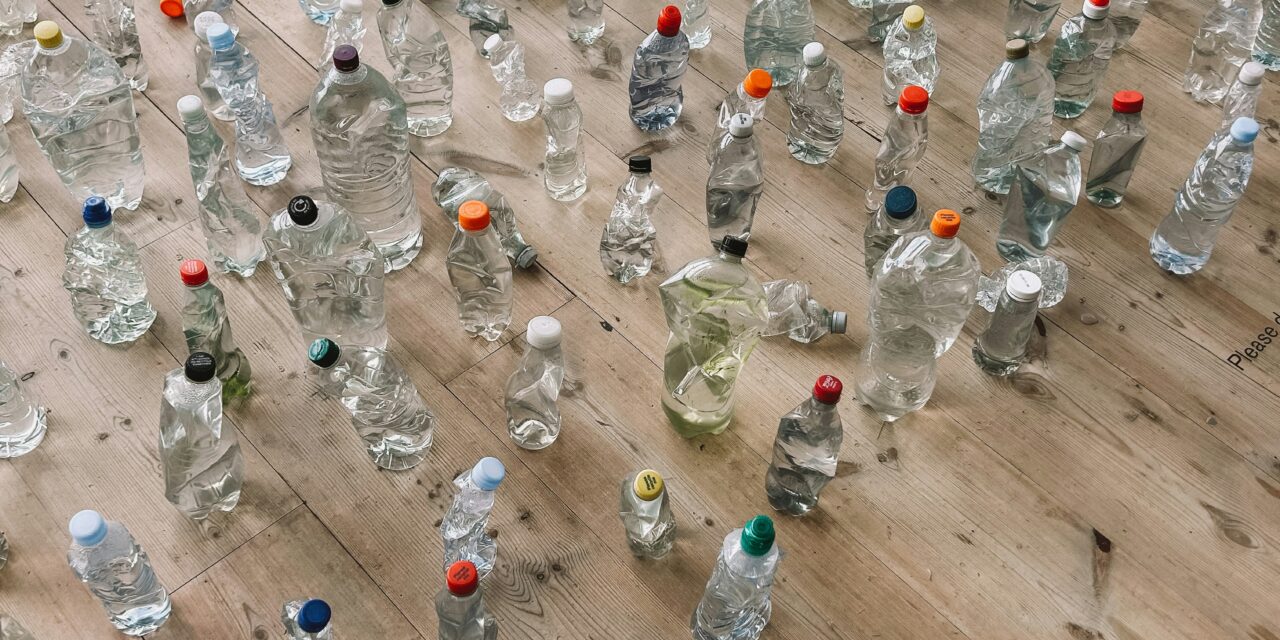
The shift begins quietly. A pack of bottled water added to a shopping list. A filtration jug placed in the fridge. A preference—subtle at first—for water that feels safer because it has been processed, packaged, and sold. Over time, these small decisions accumulate, forming a pattern that reveals something deeper than convenience.
In cities such as Lagos and Johannesburg, that pattern is now entrenched. Bottled water is no longer an occasional purchase; it is routine. Its rise reflects not just changing consumer habits, but a gradual erosion of trust in municipal supply.
The quiet expansion of a parallel market
According to the World Health Organization, access to safely managed drinking water remains uneven across many African urban centres, with quality and reliability varying significantly (https://www.who.int/news-room/fact-sheets/detail/drinking-water). This variability creates space for markets to emerge.
Supermarkets now carry a wide range of bottled options, each differentiated by source, treatment, or branding. Beyond retail, a secondary ecosystem has developed: refill stations, home filtration systems, and bulk water delivery services. These are not marketed as luxuries. They are positioned as solutions.
The United Nations Environment Programme has documented the rapid growth of plastic consumption globally, including in bottled water, alongside the environmental consequences (https://www.unep.org/plastic-pollution). The contradiction is difficult to ignore. Water, packaged as purity, generates waste that undermines the very ecosystems it depends on.
Paying twice for a basic service
What makes this shift particularly significant is not just the growth of the market, but what it implies about public systems. Households are, in effect, paying twice: once through taxes that fund municipal infrastructure, and again through private purchases that ensure reliability.
For higher-income households, this dual cost is manageable. For others, it introduces difficult trade-offs. Informal water vendors—common in parts of Lagos—deliver water to households using tankers or containers, often at a higher per-litre cost than piped supply. These systems are responsive and adaptable, but they operate outside formal regulation and without the economies of scale that make public supply affordable.
The World Bank has highlighted how such informal markets often fill critical gaps in service delivery, while also reinforcing inequalities in access (https://www.worldbank.org/en/topic/water).
When convenience becomes expectation
Perhaps the most profound shift is psychological. Bottled and filtered water, once considered a temporary workaround, is becoming normalised. The expectation that safe water should flow reliably from a tap is being replaced, gradually, by an assumption that it must be secured independently.
This has long-term implications. Public systems rely, in part, on collective demand. When that demand weakens—when those with means opt out—the pressure to maintain and improve infrastructure diminishes. What remains is a system increasingly relied upon by those with the fewest alternatives.
Markets respond efficiently to demand. They do not, however, guarantee equity.
The growth of bottled water and its associated industries is, in many ways, a rational response to unreliable supply. But it also signals a deeper shift: from water as a public good to water as a commodity. And once that shift takes hold, reversing it becomes far more difficult than simply repairing pipes.