Eating healthy in South Africa is often seen as something reserved for people with money—but that’s not entirely true. Clean eating doesn’t have to mean imported superfoods or expensive organic labels. In fact, many of the healthiest foods are already part of local, everyday life.
The key is going back to basics.
Fresh vegetables like spinach, cabbage, carrots, and tomatoes are widely available and affordable at local markets. Staples like beans, lentils, and maize provide nutrition without costing much. Seasonal fruits are not only cheaper but also fresher and more nutritious.
Where things get expensive is convenience. Pre-packaged “healthy” meals, imported snacks, and branded organic products can quickly push your grocery bill up. But clean eating is less about branding and more about how food is grown and prepared.
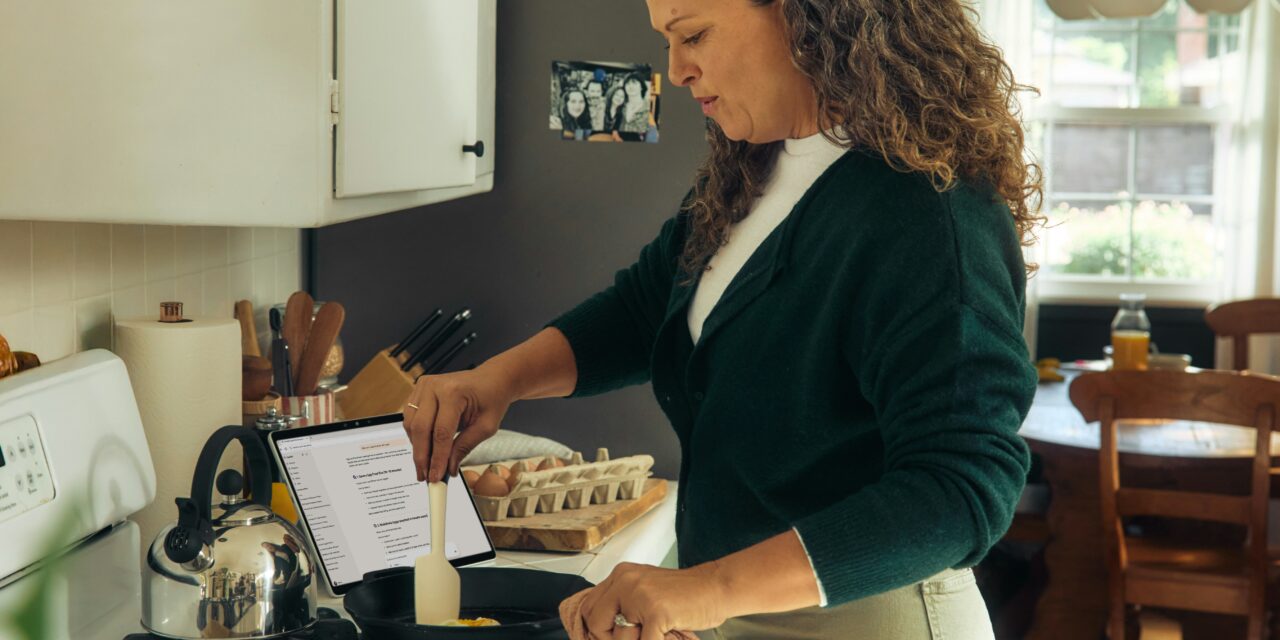
Cooking at home is one of the most powerful ways to take control of your health and your budget. Simple meals—like vegetable stews, bean curries, or grilled chicken with fresh sides—can be both nourishing and cost-effective.
There’s also a growing movement of local farmers and informal traders offering fresh produce directly to communities. Supporting them not only saves money but strengthens local food systems.
Clean eating in South Africa isn’t about perfection. It’s about making better choices with what’s available. Choosing whole foods over processed ones. Drinking more water instead of sugary drinks. Cooking more, and relying less on fast food.
It’s not about doing everything at once—it’s about starting where you are.

