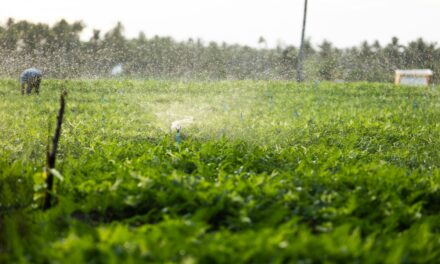

Over the past seven months, a UNDP-supported programme has provided practical assistance to 114 South African agri-exporters seeking to enter the Japanese market. The initiative, part of the Leveraging Agritech and AI for the Development of Sustainable Agricultural Exports to Japan programme, has equipped participants with knowledge of regulations, certifications, customs procedures, and cultural nuances essential for doing business in Japan.
In a recent LinkedIn post, Michael Sudarkasa, who has been closely involved in the effort, stated: “Over the last seven months we have helped 114 South African agri-exporters (see UNDP SA Exporter Look Book) to explore the processes and prospects of exporting to Japan and indeed many are eager to look East even more broadly.”
Sudarkasa further highlighted Japan’s potential, noting: “Japan is emerging as a great market opportunity for South African agri exporters of health focused products, such as herbal teas, kombucha drinks, non-dairy milk, wines, grains, citrus products, organic produce, avocados, macadamia nuts and products, sauces and condiments.”
The Japanese government, through the Tokyo International Conference on African Development (TICAD), has intensified efforts to invite African exports and foster intentional partnerships. Sudarkasa described the development as encouraging, adding that “it’s all quite exciting actually.”
The programme has deliberately included a strong focus on women-led enterprises and spans both novice and experienced exporters. Participants receive export readiness training, coaching, and trade facilitation support. Some companies have already exhibited at the Japan Food and Beverage Expo (JFEX) in Chiba, where they received promotion from the South African Embassy in Japan, led by Ambassador H.E. Annelize Schroeder.
Key engagement opportunities remain the Summer JFEX in June, Winter JFEX in November/December, and FOODEX, Asia’s largest food and beverage exhibition held annually in March. For many small and medium-sized enterprises — particularly those based in provinces such as Gauteng, Limpopo, and the Western Cape — the initiative extends beyond immediate revenue. It promotes the adoption of sustainable and organic practices, strengthens rural livelihoods, and contributes to South Africa’s broader strategy of market diversification in a shifting global trade landscape.
As Asia assumes greater importance on South Africa’s export radar, programmes of this nature illustrate how targeted international collaboration, combined with local agritech innovation, can help African producers compete effectively on quality, consistency, and sustainability in sophisticated, high-value markets.