
With ongoing power challenges, more South Africans are turning to solar energy. What was once seen as a luxury is quickly becoming a practical solution.
But for beginners, solar can feel overwhelming.
At its core, a solar system includes three main parts:
- Solar panels (which capture sunlight)
- An inverter (which converts energy into usable electricity)
- Batteries (which store power for later use)
The biggest question most people ask is: Is it worth it?
The answer depends on your needs. While the upfront cost can be high, solar reduces reliance on the grid and can save money over time. It also provides stability during power outages.
You don’t need to go fully off-grid immediately. Many households start small—powering lights, Wi-Fi, and essential appliances—and expand later.
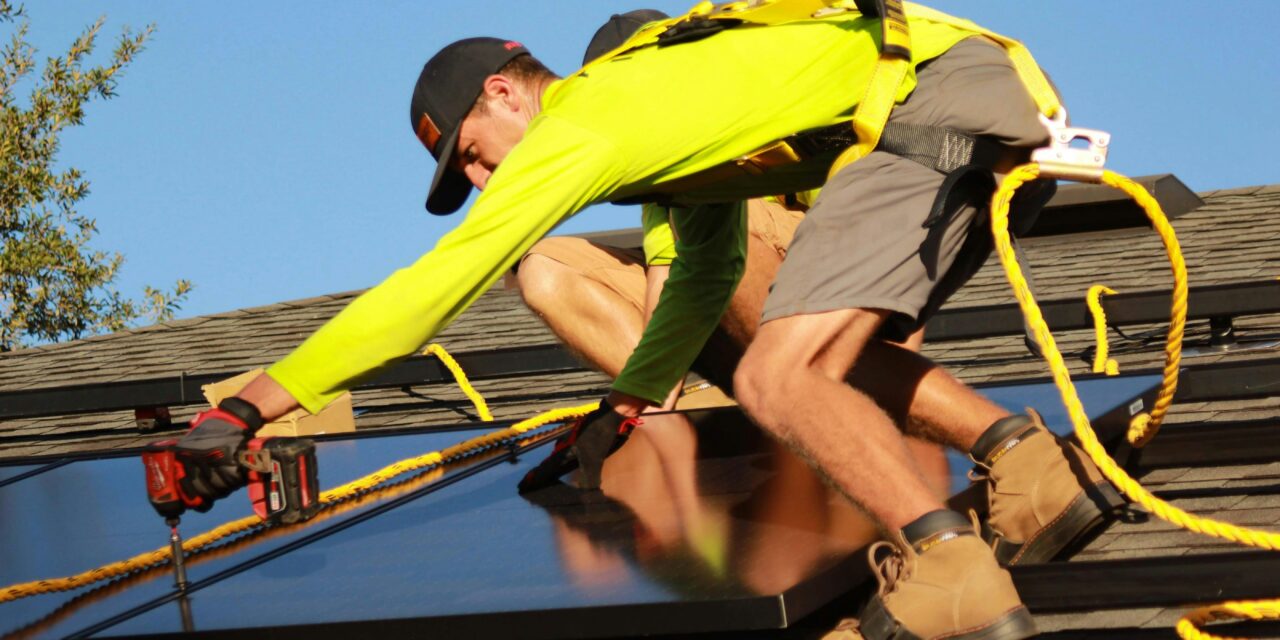
Another important factor is installation. Working with a reputable provider is key to ensuring safety and long-term performance.
Beyond cost and convenience, solar energy represents something bigger: a shift toward independence and sustainability. It allows households to take control of their energy use and reduce their environmental impact.
In South Africa, solar is no longer just an alternative—it’s becoming part of everyday life.

