
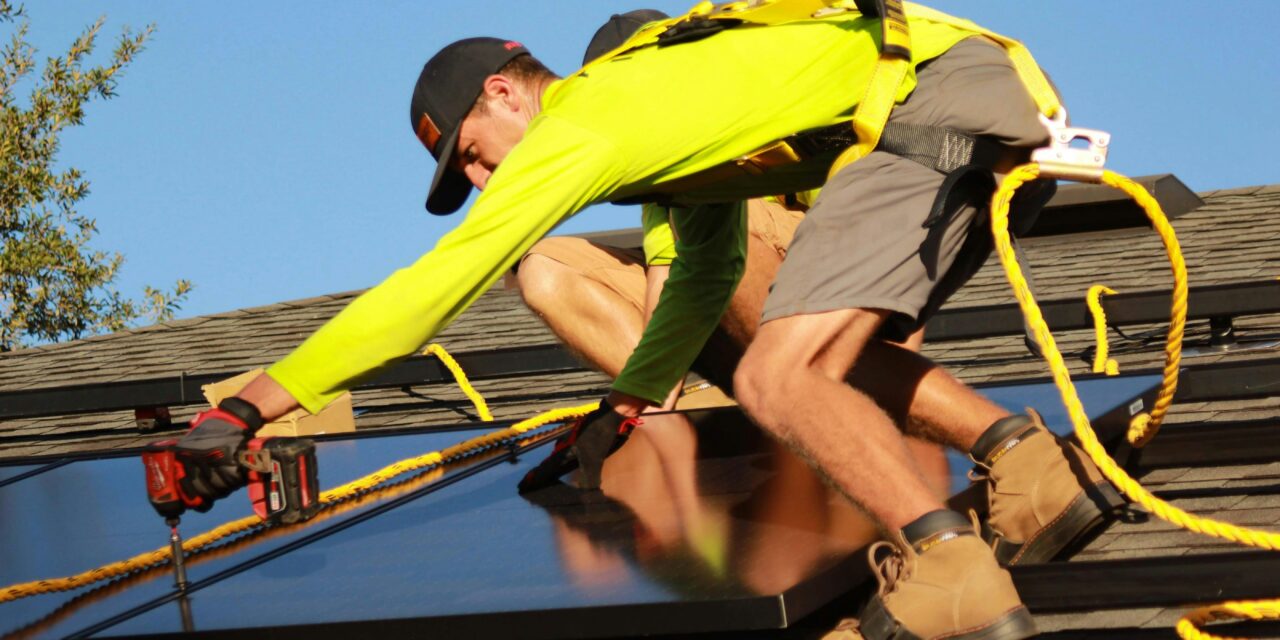
Solar in Africa is often framed as a solution for the elite or a glossy climate story. Yet for millions of households, it’s survival. Grid electricity is unreliable, expensive, and in many rural areas, non-existent. Families rely on kerosene lamps, candles, and diesel generators—expensive, polluting, dangerous. Africa bakes under the sun, yet most of its potential solar energy goes untapped. According to the International Renewable Energy Agency, the continent receives the highest solar irradiation per square meter globally, yet deployment remains a fraction of potential.
The first misconception to challenge: solar is not a luxury. Small solar home systems power lights, phone charging, and small fridges. Sustainability is not in skyscrapers or imported tech—it’s on rooftops, in backyards, and on street corners.
Tech meets human improvisation
The ingenuity is in how people integrate solar into daily life. In Cape Town, residential solar users reduce bills, feed surplus into the grid, and buffer against load-shedding. Mobile payment platforms allow incremental purchase of solar systems, making energy ownership accessible to households that could never finance a lump-sum. Batteries last years, but in informal markets, repair skills emerge organically—teenagers and local technicians become de facto energy engineers, troubleshooting panels, swapping parts, and training neighbors.
But the benefits are uneven: high-income households profit, while informal settlements rarely see investment in panels or micro-grids. This is where your POV matters: sustainability in Africa is not a one-size-fits-all story; it’s messy, uneven, and deeply local.
Trade-offs and tensions
Solar is not perfect. Batteries degrade, panels collect dust, technicians are scarce, and policy sometimes lags technology. Large-scale solar farms like Morocco’s Noor complex feed national grids but rarely empower nearby communities directly (https://www.energy.gov.za/files/esources/renewables/IPP-REIPPDocumentation.html). That tension—between top-down, corporate-led “green energy” and grassroots, homegrown solar adoption—is central.
Highlighting it shows readers that real sustainability is not about advertising campaigns; it’s about access, context, and adaptation.
Women often bear the energy burden. Household energy management is primarily female work, from lighting kitchens to running small stalls. Ensuring women have access to training, micro-finance, and repair skills is crucial. Africa’s energy transition will succeed only if it amplifies the agency of those already managing energy daily.
Solar as a social and economic lever
Solar catalyses economic activity: micro-enterprises run welding shops, internet cafés, small eateries, or carpentry shops powered by panels. Solar adoption creates jobs: installation, maintenance, and micro-entrepreneurship. Communities gain skills and independence. This human-scale impact is more transformative than any headline about “clean energy investment” because it is tangible, local, and replicable.
In Kibera, solar kiosks charge bicycles, phones, and power small refrigeration units for food vendors. This low-cost, decentralized approach embodies African ingenuity. The narrative flips: sustainability is not an elite badge—it is everyday resourcefulness, grounded in necessity and culture.
Accessible, tangible sustainability
For your audience, the takeaway is clear: African solar stories are not futuristic; they are here and now. Households, entrepreneurs, and communities are proving that sustainability can be human-scale, affordable, and practical. From off-grid villages to urban rooftops, solar integration reflects a culture of adaptation, resilience, and creativity.
Sustainability is not abstract policy, fancy labs, or corporate PR. It is the teenager fixing a panel in his workshop, the mother lighting her kitchen safely, and the vendor selling chilled drinks after sunset. The next African energy narrative should foreground these people—the ones actually making change, and not just talk about solar as technology or investment.